" height="18.700000000000003px" id="uPZZKUsKJ" transform="translate(2.872 1.699)" width="92.0431922881436px"/></svg>)

Walkers Reserve:
Habitat Regeneration
Wetlands
Forests
Biodiversity
Wildlife
Native Species
Habitat regeneration at Walkers Reserve focuses on re-establishing interconnected ecological systems using native species across a degraded post-industrial landscape
Through targeted regeneration interventions, Walkers Reserve has been gradually transformed into a mosaic of thriving habitats. Habitat mapping and biodiversity assessments identified key zones, including wetlands, coastal systems, dry coastal forests, and steep-slope environments, which guide restoration and ongoing adaptive monitoring. Restoration has combined the protection of existing geological features with the reintroduction of native and pioneer species to re-establish habitat corridors and support wildlife across coastal, wetland, and dry coastal forest systems.
Habitat regeneration at Walkers Reserve focuses on re-establishing interconnected ecological systems using native species across a degraded post-industrial landscape
Through targeted regeneration interventions, Walkers Reserve has been gradually transformed into a mosaic of thriving habitats. Habitat mapping and biodiversity assessments identified key zones, including wetlands, coastal systems, dry coastal forests, and steep-slope environments, which guide restoration and ongoing adaptive monitoring. Restoration has combined the protection of existing geological features with the reintroduction of native and pioneer species to re-establish habitat corridors and support wildlife across coastal, wetland, and dry coastal forest systems.
Challenge
The site contained fragmented and degraded habitats, limited native forest cover, invasive species pressure, and unstable terrain, restricting biodiversity, ecological connectivity, and species movement across the former quarry landscape
Solution
Targeted habitat restoration was carried out across wetlands, dunes, forests, and slope systems, including native and pioneer planting, mangrove restoration, dune stabilisation, and the creation of microhabitats and ecological corridors
Outcome
These landscape restoration interventions improved habitat connectivity, restored ecological structure, supported wildlife return, and contributed to long-term biodiversity recovery and ecosystem resilience across Walkers Reserve
Challenge
The site contained fragmented and degraded habitats, limited native forest cover, invasive species pressure, and unstable terrain, restricting biodiversity, ecological connectivity, and species movement across the former quarry landscape
Solution
Targeted habitat restoration was carried out across wetlands, dunes, forests, and slope systems, including native and pioneer planting, mangrove restoration, dune stabilisation, and the creation of microhabitats and ecological corridors
Outcome
These landscape restoration interventions improved habitat connectivity, restored ecological structure, supported wildlife return, and contributed to long-term biodiversity recovery and ecosystem resilience across Walkers Reserve
From Quarry to Habitat Network
Walkers Reserve spans a former quarry landscape shaped by sandstone hills, silica dunes, clay barriers, and steep slopes. These degraded hillsides have been regenerated into a mosaic of wetlands, coastal and estuarine edges, native forests, and recovering sand dunes. These habitats now function as part of a ridge-to-reef system, supporting biodiversity, habitat continuity, and ecological processes across the landscape and coastline.
species movemenT
habitat mosaic
soil formation

From Quarry to Habitat Network
Walkers Reserve spans a former quarry landscape shaped by sandstone hills, silica dunes, clay barriers, and steep slopes. These degraded hillsides have been regenerated into a mosaic of wetlands, coastal and estuarine edges, native forests, and recovering sand dunes. These habitats now function as part of a ridge-to-reef system, supporting biodiversity, habitat continuity, and ecological processes across the landscape and coastline.
species movemenT
habitat mosaic
soil formation
From Quarry to Habitat Network
Walkers Reserve spans a former quarry landscape shaped by sandstone hills, silica dunes, clay barriers, and steep slopes. These degraded hillsides have been regenerated into a mosaic of wetlands, coastal and estuarine edges, native forests, and recovering sand dunes. These habitats now function as part of a ridge-to-reef system, supporting biodiversity, habitat continuity, and ecological processes across the landscape and coastline.
species movemenT
habitat mosaic
soil formation
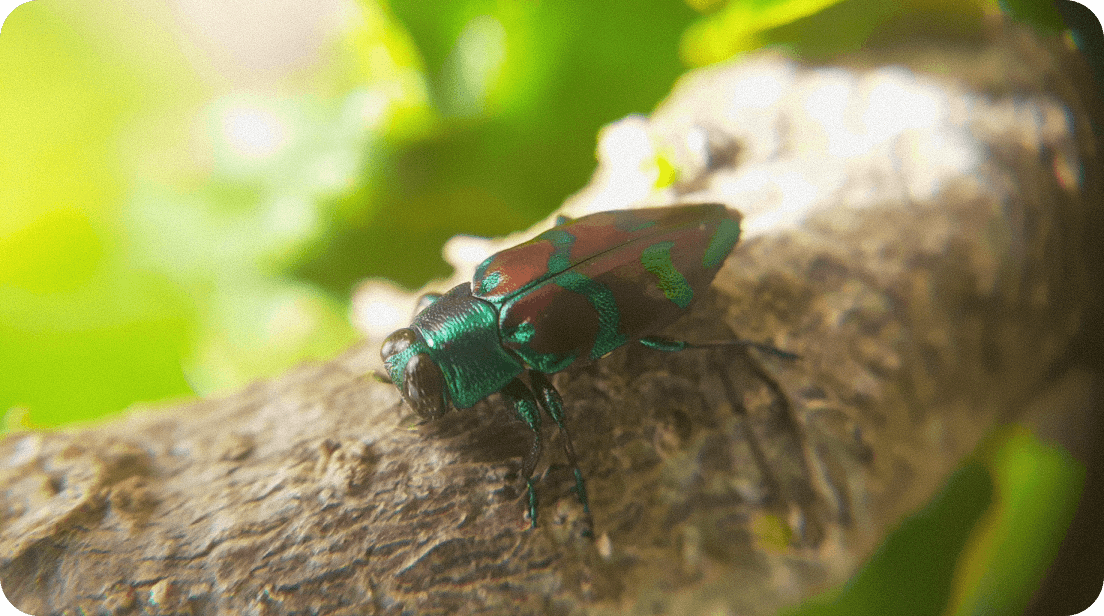
Restoration Interventions
Targeted interventions included dune and coastal shrub planting to stabilise terrain, encourage dune formation, and protect turtle nesting habitat. Mangrove restoration in wetlands and estuaries strengthened tidal connectivity and shoreline protection.
Multi-layered coastal forests and woodlands were re-established to support greater habitat complexity. These systems strengthen ecological connectivity across coastal, wetland, and upland zones, supporting species movement and habitat continuity.
Soil health and slope stabilisation underpin long-term habitat resilience. Ongoing monitoring of soil conditions, plant survival, bird nesting, and habitat connectivity informs adaptive management.
Ecological Recovery
These interventions have restored ecological structure and increased habitat connectivity across a formerly degraded landscape. Increased connectivity now supports species movement, pollination, and ecosystem interactions, contributing to ongoing biodiversity recovery and long-term ecological stability.
Native plantings have resulted in habitat connectivity, and the citizen science observation of 113 plant and fungal species, 135 animals, and 110 native and migratory bird species, regularly inhabiting recovering dunes, estuaries and large freshwater lake systems across Walkers Reserve.
wildlife
biodiversity
pollinators
migratory birds

Ecological Recovery
These interventions have restored ecological structure and increased habitat connectivity across a formerly degraded landscape. Increased connectivity now supports species movement, pollination, and ecosystem interactions, contributing to ongoing biodiversity recovery and long-term ecological stability.
Native plantings have resulted in habitat connectivity, and the citizen science observation of 113 plant and fungal species, 135 animals, and 110 native and migratory bird species, regularly inhabiting recovering dunes, estuaries and large freshwater lake systems across Walkers Reserve.
wildlife
biodiversity
pollinators
migratory birds
Ecological Recovery
These interventions have restored ecological structure and increased habitat connectivity across a formerly degraded landscape. Increased connectivity now supports species movement, pollination, and ecosystem interactions, contributing to ongoing biodiversity recovery and long-term ecological stability.
Native plantings have resulted in habitat connectivity, and the citizen science observation of 113 plant and fungal species, 135 animals, and 110 native and migratory bird species, regularly inhabiting recovering dunes, estuaries and large freshwater lake systems across Walkers Reserve.
wildlife
biodiversity
pollinators
migratory birds
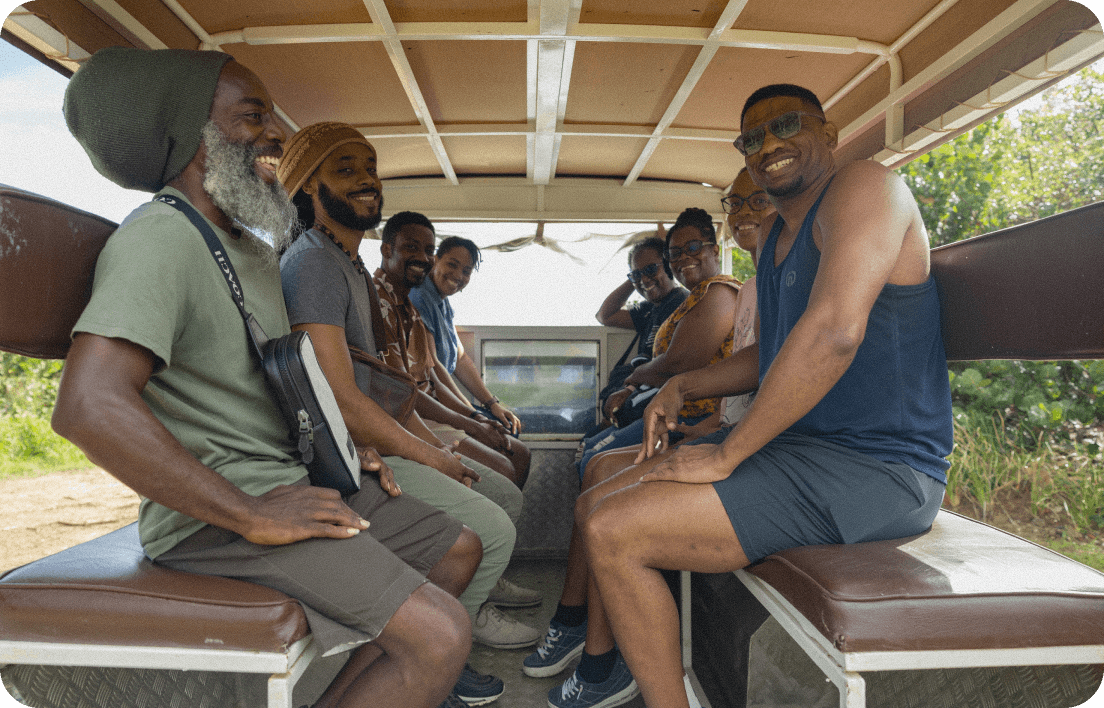
Guided Regeneration Experiences
Walkers Reserve's restored dunes, wetlands, freshwater lakes, and coastal forests form the living foundation for a range of locally led ecotourism experiences. Community guides trained through partnerships with organizations like BirdsCaribbean lead visitors through the recovering landscape via the Self Guided Eco Adventure, Moonlight Hike, Wetland Explorers, Coastal Nature Walk, Caribbean Birding Experience, Soil to Sea Nature Hike, and Tropical Driving Adventure, alongside the Bajan Bee Experience at the on-site apiary.
Each offering turns active habitat regeneration into a source of income and education for the surrounding community, connecting visitors directly to the ecological systems they are helping to sustain.
Walkers Reserve Regeneration Projects


Walkers Reserve Regeneration Projects
Walkers Reserve Regeneration Projects

Experience Regeneration at Walkers Reserve
Walkers Reserve shows what is possible when a damaged landscape is given the conditions to regenerate. Explore how coastal and inland ecosystems are being rebuilt across the site, and contact WIRRED to start your regeneration project.
Experience Regeneration at Walkers Reserve
Walkers Reserve shows what is possible when a damaged landscape is given the conditions to regenerate. Explore how coastal and inland ecosystems are being rebuilt across the site, and contact WIRRED to start your regeneration project.
Experience Regeneration at Walkers Reserve
Walkers Reserve shows what is possible when a damaged landscape is given the conditions to regenerate. Explore how coastal and inland ecosystems are being rebuilt across the site, and contact WIRRED to start your regeneration project.

Walkers Institute for Regenerative Research Education and Design Inc.
PROJECTS
WIRRED is a registered non-profit organization under the Companies Act, Cap.308: Company No. 42861.
Nonprofit status: Registered under Charities Act, Cap 243: Registered Charities No. 1405
WIRRED is a registered non-profit organization under the Companies Act, Cap.308: Company No. 42861.
Nonprofit status: Registered under Charities Act, Cap 243: Registered Charities No. 1405
PROJECTS
WIRRED is a registered non-profit organization under the Companies Act, Cap.308: Company No. 42861.
Nonprofit status: Registered under Charities Act, Cap 243: Registered Charities No. 1405