" height="18.700000000000003px" id="uPZZKUsKJ" transform="translate(2.872 1.699)" width="92.0431922881436px"/></svg>)


Walkers Reserve:
Coastal Ecosystem Restoration
Shoreline stabilisation
Dunes
mangroves
Estuaries
Land-Sea systems
Coastal ecosystem regeneration restores integrated dune, estuary, mangrove, grassland and dry coastal forest habitats
These connected coastal habitats work together to stabilise shorelines, transport freshwater water, and support biodiversity at Walkers Reserve. Restoration combines native planting, dune stabilisation, and wetland and mangrove recovery to improve habitat connectivity and strengthen coastal resilience.
Challenge
Coastal areas were degraded by erosion, habitat loss, human disturbance, disrupted water movement, exposure to hurricanes and shifting seasonal rainfall. Over time, this reduced habitat stability and biodiversity across the coastline
Solution
Restoration is being carried out across dunes, mangroves, estuaries, and coastal forests, including native planting, dune stabilisation, mangrove recovery, and wetland reconnection, strengthening habitat for leatherback turtles
Outcome
These interventions have stabilised shorelines, improved sediment movement and water quality. They have also supported the gradual return of biodiversity and strengthened resilience to coastal climate pressures like stronger storms and rainfall
Challenge
Coastal areas were degraded by erosion, habitat loss, human disturbance, disrupted water movement, exposure to hurricanes and shifting seasonal rainfall. Over time, this reduced habitat stability and biodiversity across the coastline
Solution
Restoration is being carried out across dunes, mangroves, estuaries, and coastal forests, including native planting, dune stabilisation, mangrove recovery, and wetland reconnection, strengthening habitat for leatherback turtles
Outcome
These interventions have stabilised shorelines, improved sediment movement and water quality. They have also supported the gradual return of biodiversity and strengthened resilience to coastal climate pressures like stronger storms and rainfall
Shoreline Dynamics
Walkers Reserve sits within a dynamic coastal zone where dunes, estuaries, mangroves, and coastal forests meet and shift over time. Wind, wave action, storms, vegetation growth, and seasonal rainfall shape how the landscape behaves. They move sediment, regulate water, and determine how habitats form and change across the coast.
With over 3.3 km of Walkers Beach adjacent to the Lond Pond Estuary, Walkers Reserve’s coastal edges and dune ecosystems serve as critical habitat for endangered leatherback turtle nesting grounds.
3.3 km dunes
ridge-to-reef
water quality

Shoreline Dynamics
Walkers Reserve sits within a dynamic coastal zone where dunes, estuaries, mangroves, and coastal forests meet and shift over time. Wind, wave action, storms, vegetation growth, and seasonal rainfall shape how the landscape behaves. They move sediment, regulate water, and determine how habitats form and change across the coast.
With over 3.3 km of Walkers Beach adjacent to the Lond Pond Estuary, Walkers Reserve’s coastal edges and dune ecosystems serve as critical habitat for endangered leatherback turtle nesting grounds.
3.3 km dunes
ridge-to-reef
water quality
Shoreline Dynamics
Walkers Reserve sits within a dynamic coastal zone where dunes, estuaries, mangroves, and coastal forests meet and shift over time. Wind, wave action, storms, vegetation growth, and seasonal rainfall shape how the landscape behaves. They move sediment, regulate water, and determine how habitats form and change across the coast.
With over 3.3 km of Walkers Beach adjacent to the Lond Pond Estuary, Walkers Reserve’s coastal edges and dune ecosystems serve as critical habitat for endangered leatherback turtle nesting grounds.
3.3 km dunes
ridge-to-reef
water quality
Shoreline Dynamics
Walkers Reserve sits within a dynamic coastal zone where dunes, estuaries, mangroves, and coastal forests meet and shift over time. Wind, wave action, storms, vegetation growth, and seasonal rainfall shape how the landscape behaves. They move sediment, regulate water, and determine how habitats form and change across the coast.
With over 3.3 km of Walkers Beach adjacent to the Lond Pond Estuary, Walkers Reserve’s coastal edges and dune ecosystems serve as critical habitat for endangered leatherback turtle nesting grounds.
3.3 km dunes
ridge-to-reef
water quality
Dune Restoration
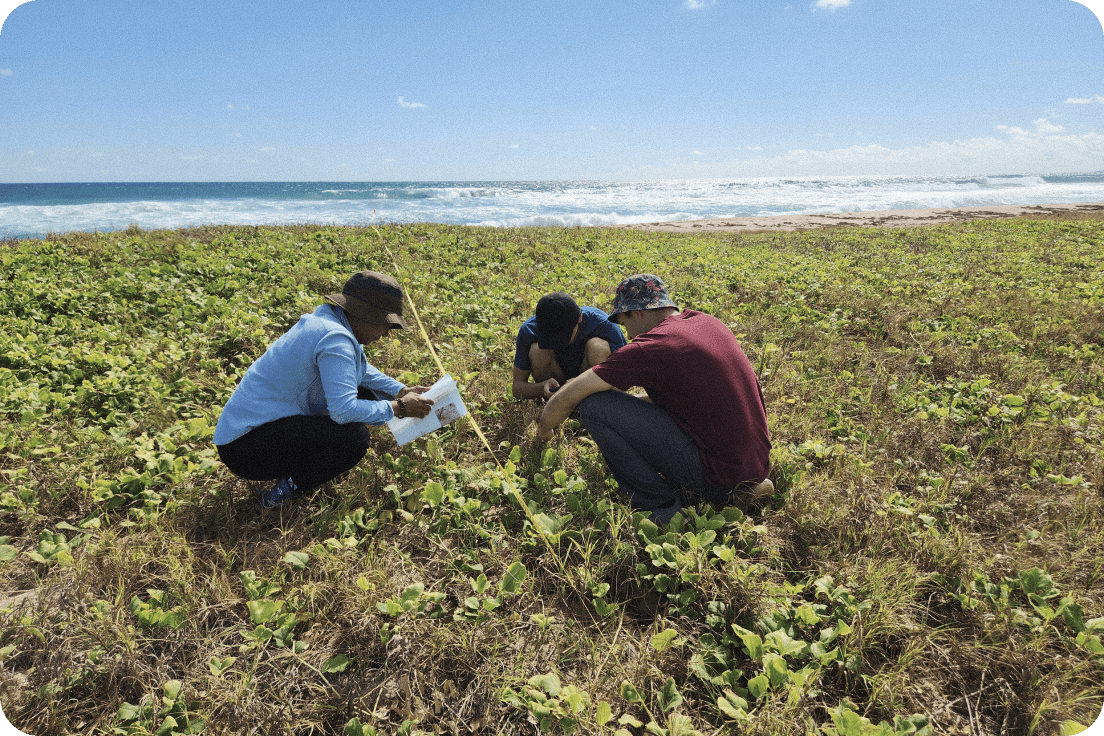
Dunes have been stabilised across foredune and backdune areas using native vegetation to reduce erosion and retain sand. Mangroves have been re-established in estuarine zones to trap sediment, slow water, and support tidal flows.
McGill University's Bellairs Research Institute conducted dune restoration planning, producing a baseline survey of 55 native coastal plant species, while Arizona State University has led ongoing revegetation and monitoring, mapping dune species distributions and deploying drone and LIDAR-based topographical surveys.
Coastal forests and woodlands have been restored with native plantings, supported by vetiver stabilisation and terracing. Wetland reconnection and habitat structures help strengthen ecological function across the site. Monitoring of vegetation survival, dune movement, soil conditions, and biodiversity informs ongoing site management.
Dune Restoration
Dunes have been stabilised across foredune and backdune areas using native vegetation to reduce erosion and retain sand. Mangroves have been re-established in estuarine zones to trap sediment, slow water, and support tidal flows.
McGill University's Bellairs Research Institute conducted dune restoration planning, producing a baseline survey of 55 native coastal plant species, while Arizona State University has led ongoing revegetation and monitoring, mapping dune species distributions and deploying drone and LIDAR-based topographical surveys.
Coastal forests and woodlands have been restored with native plantings, supported by vetiver stabilisation and terracing. Wetland reconnection and habitat structures help strengthen ecological function across the site. Monitoring of vegetation survival, dune movement, soil conditions, and biodiversity informs ongoing site management.
Dune Restoration
Dunes have been stabilised across foredune and backdune areas using native vegetation to reduce erosion and retain sand. Mangroves have been re-established in estuarine zones to trap sediment, slow water, and support tidal flows.
McGill University's Bellairs Research Institute conducted dune restoration planning, producing a baseline survey of 55 native coastal plant species, while Arizona State University has led ongoing revegetation and monitoring, mapping dune species distributions and deploying drone and LIDAR-based topographical surveys.
Coastal forests and woodlands have been restored with native plantings, supported by vetiver stabilisation and terracing. Wetland reconnection and habitat structures help strengthen ecological function across the site. Monitoring of vegetation survival, dune movement, soil conditions, and biodiversity informs ongoing site management.
Dune Restoration
Dunes have been stabilised across foredune and backdune areas using native vegetation to reduce erosion and retain sand. Mangroves have been re-established in estuarine zones to trap sediment, slow water, and support tidal flows.
McGill University's Bellairs Research Institute conducted dune restoration planning, producing a baseline survey of 55 native coastal plant species, while Arizona State University has led ongoing revegetation and monitoring, mapping dune species distributions and deploying drone and LIDAR-based topographical surveys.
Coastal forests and woodlands have been restored with native plantings, supported by vetiver stabilisation and terracing. Wetland reconnection and habitat structures help strengthen ecological function across the site. Monitoring of vegetation survival, dune movement, soil conditions, and biodiversity informs ongoing site management.
Coastal Resilience
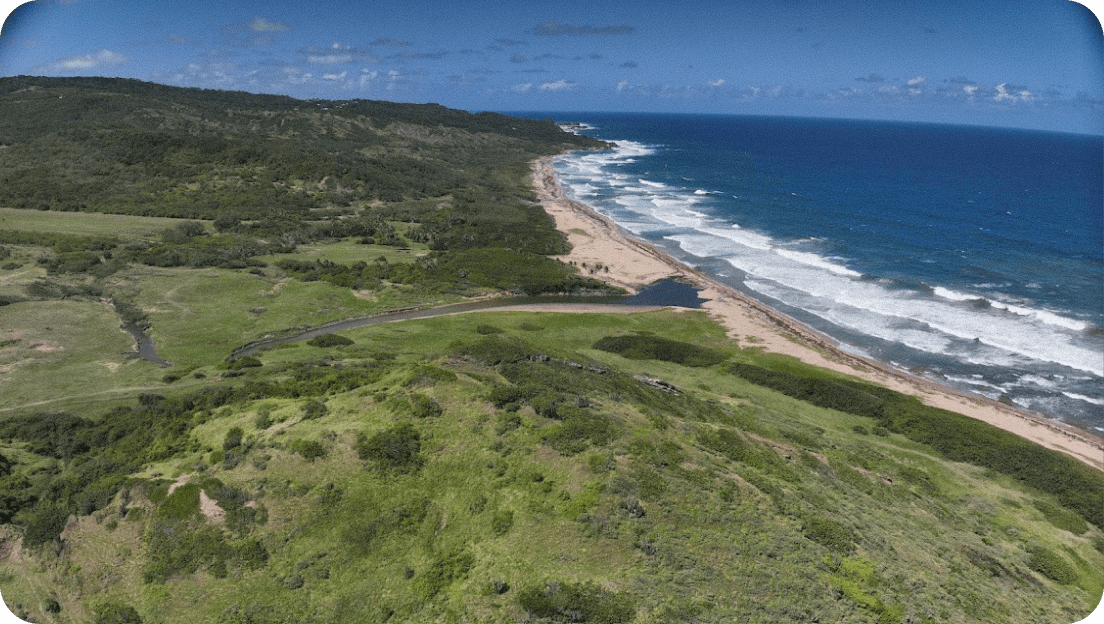
These dune and estuary restoration strategies have reduced erosion and improved shoreline stability across coastal zones. Sediment capture and tidal flow in mangrove forests have also helped improve water quality and overall ecosystem function across estuarine edges.
Restored coastal habitats now support more consistent biodiversity, including nesting, foraging, and migratory movement across the landscape, including nesting grounds and birthing sites for leatherback turtles. Through native vegetation replantings, these coastal systems are becoming more resilient over time, showing how degraded shorelines can recover when natural processes are re-established.
turtle nesting
migratory birds
erosion controL
Coastal Resilience
These dune and estuary restoration strategies have reduced erosion and improved shoreline stability across coastal zones. Sediment capture and tidal flow in mangrove forests have also helped improve water quality and overall ecosystem function across estuarine edges.
Restored coastal habitats now support more consistent biodiversity, including nesting, foraging, and migratory movement across the landscape, including nesting grounds and birthing sites for leatherback turtles. Through native vegetation replantings, these coastal systems are becoming more resilient over time, showing how degraded shorelines can recover when natural processes are re-established.
turtle nesting
migratory birds
erosion controL
Coastal Resilience
These dune and estuary restoration strategies have reduced erosion and improved shoreline stability across coastal zones. Sediment capture and tidal flow in mangrove forests have also helped improve water quality and overall ecosystem function across estuarine edges.
Restored coastal habitats now support more consistent biodiversity, including nesting, foraging, and migratory movement across the landscape, including nesting grounds and birthing sites for leatherback turtles. Through native vegetation replantings, these coastal systems are becoming more resilient over time, showing how degraded shorelines can recover when natural processes are re-established.
turtle nesting
migratory birds
erosion controL
Coastal Resilience
These dune and estuary restoration strategies have reduced erosion and improved shoreline stability across coastal zones. Sediment capture and tidal flow in mangrove forests have also helped improve water quality and overall ecosystem function across estuarine edges.
Restored coastal habitats now support more consistent biodiversity, including nesting, foraging, and migratory movement across the landscape, including nesting grounds and birthing sites for leatherback turtles. Through native vegetation replantings, these coastal systems are becoming more resilient over time, showing how degraded shorelines can recover when natural processes are re-established.
turtle nesting
migratory birds
erosion controL
Walkers Reserve Regeneration Projects


Walkers Reserve Regeneration Projects
Walkers Reserve Regeneration Projects
Experience Regeneration at Walkers Reserve
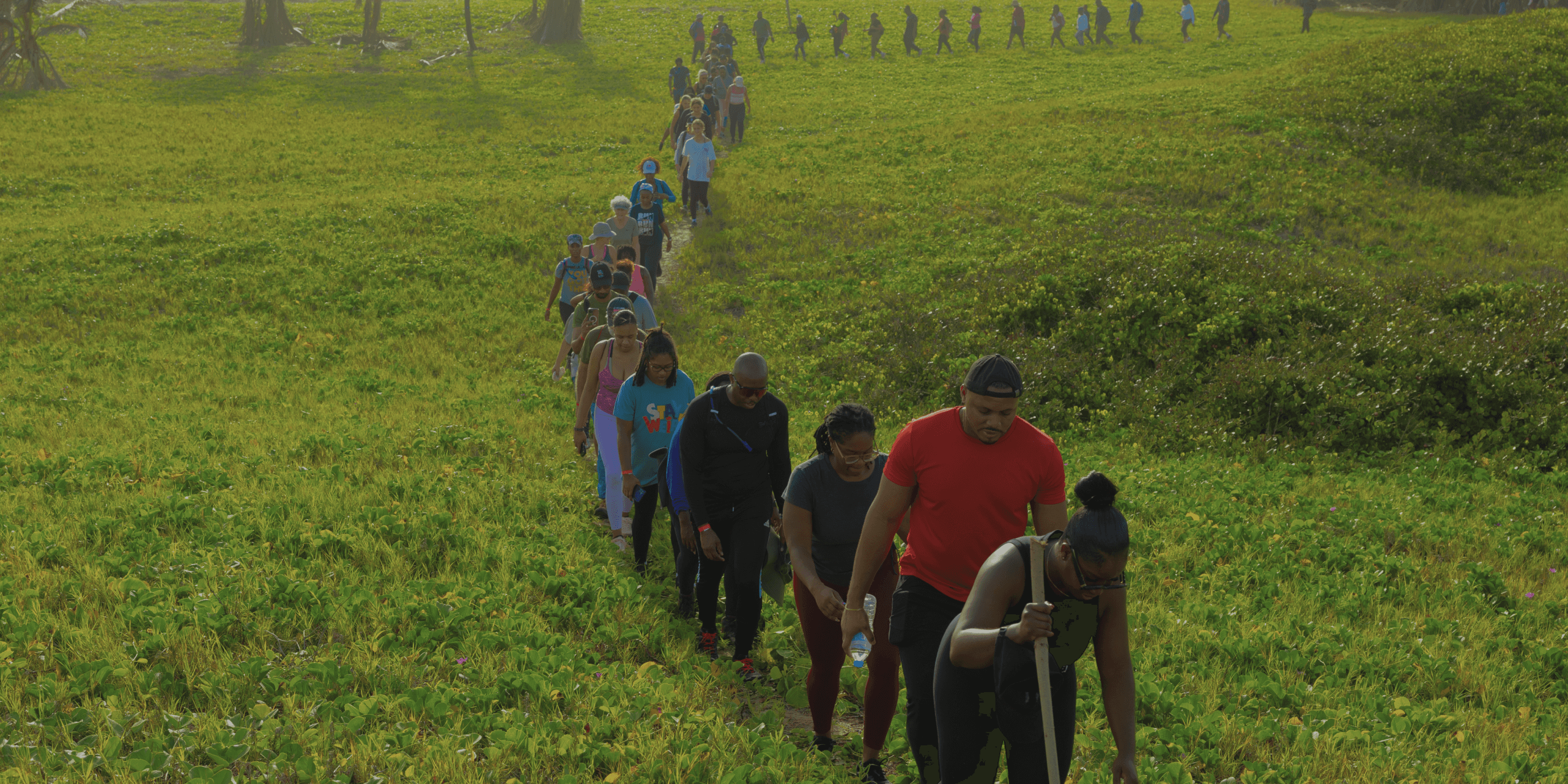
Walkers Reserve shows what is possible when a damaged landscape is given the conditions to regenerate. Explore how coastal and inland ecosystems are being rebuilt across the site, and contact WIRRED to start your regeneration project.
Experience Regeneration at Walkers Reserve
Walkers Reserve shows what is possible when a damaged landscape is given the conditions to regenerate. Explore how coastal and inland ecosystems are being rebuilt across the site, and contact WIRRED to start your regeneration project.
Experience Regeneration at Walkers Reserve
Walkers Reserve shows what is possible when a damaged landscape is given the conditions to regenerate. Explore how coastal and inland ecosystems are being rebuilt across the site, and contact WIRRED to start your regeneration project.

Walkers Institute for Regenerative Research Education and Design Inc.
PROJECTS
WIRRED is a registered non-profit organization under the Companies Act, Cap.308: Company No. 42861.
Nonprofit status: Registered under Charities Act, Cap 243: Registered Charities No. 1405
WIRRED is a registered non-profit organization under the Companies Act, Cap.308: Company No. 42861.
Nonprofit status: Registered under Charities Act, Cap 243: Registered Charities No. 1405
PROJECTS
WIRRED is a registered non-profit organization under the Companies Act, Cap.308: Company No. 42861.
Nonprofit status: Registered under Charities Act, Cap 243: Registered Charities No. 1405